
?A HISTORY OF HARARE.
Lesson time.
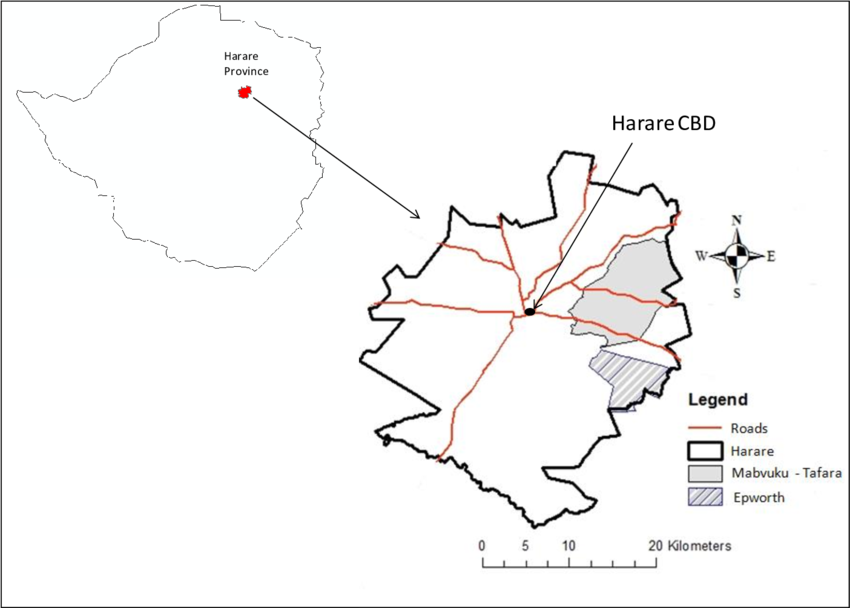
1/ Harare as we know it, and much of the land covering Harare province, Seke, Mahusekwa, Nyabira Chiweshe, Mazoe, Bindura, Shawasha, Shamva etc belonged to the Vahera people of the Mhofu totem.
@adv_fulcrum @Jamwanda2 @DivaMandeya
2/ VaHera people trace their roots to the Nyashanu chietainship of Vuhera (Buhera). The Mhofu people trace their lineage through Mbiru, directly to MuSHAVAtu, hence SHAVA people.
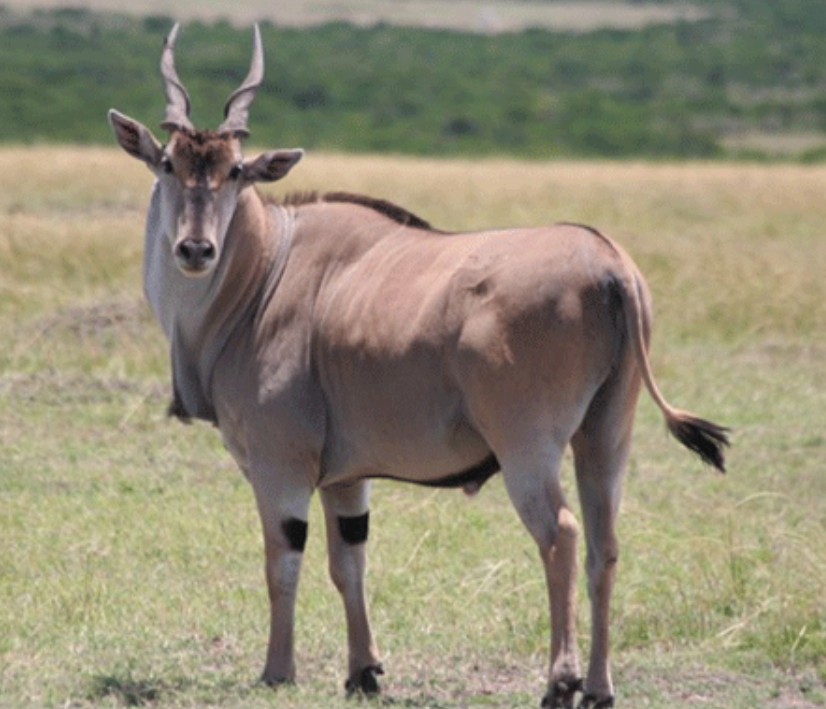
3/ The great ancestor of the Shona in Guruuswa was called Tovera. This is why the traditional song “Tovera, mudzimu dzoka” is sung across various Shona groups.
Tovera’s son Mambiri had sons who ventured south to settle in the Zimbabwean plateau from Guruuswa.
4/ Mambiri’s son, Murenga Pfumojena Sororenzou settled on the Zimbabwean plateau. His creation of a new dynasty was revolutionary, hence the word
Chi-Murenga, meaning a revolution.
Murenga’s children were MuSHAVAtu, Chaminuka, and Nehanda.
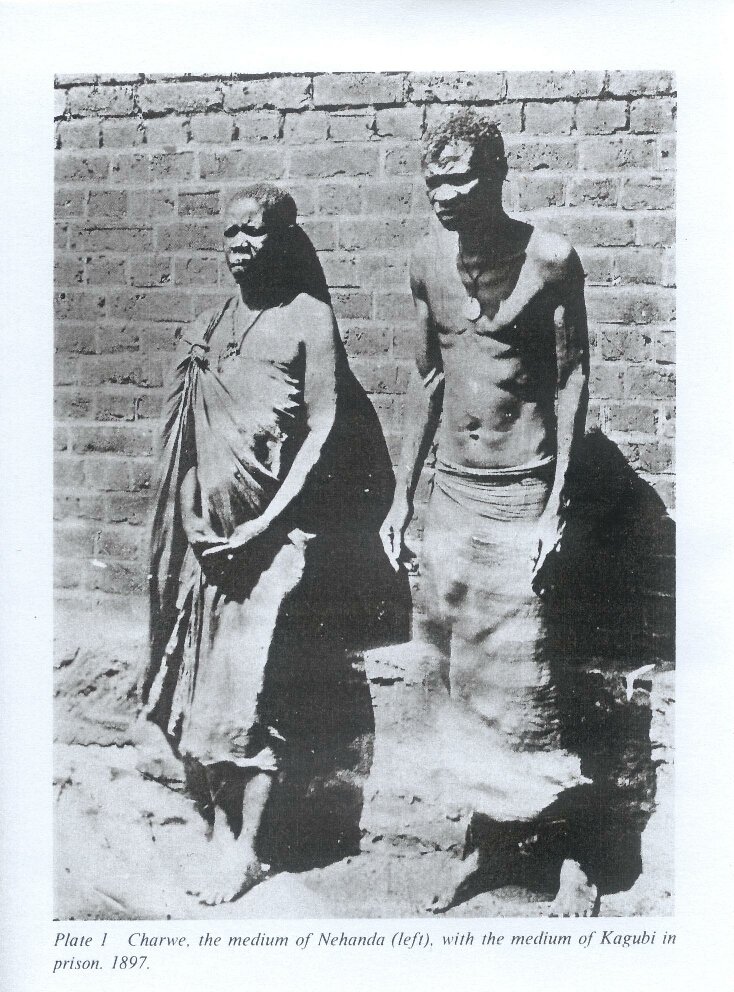
5/ Fast forward, the spirit of Nehanda, the Mhondoro that speaks and advises the Shona of important developments only appears through the female descendants of Mushavatu. This is why all Nehanda mediums from Nyamhita to Charwe to as recently as the one in the 70s were vaHera.
6/ Mhofu people were prolific mining and mechanical engineers. They mined and processed iron ore, copper and gold.
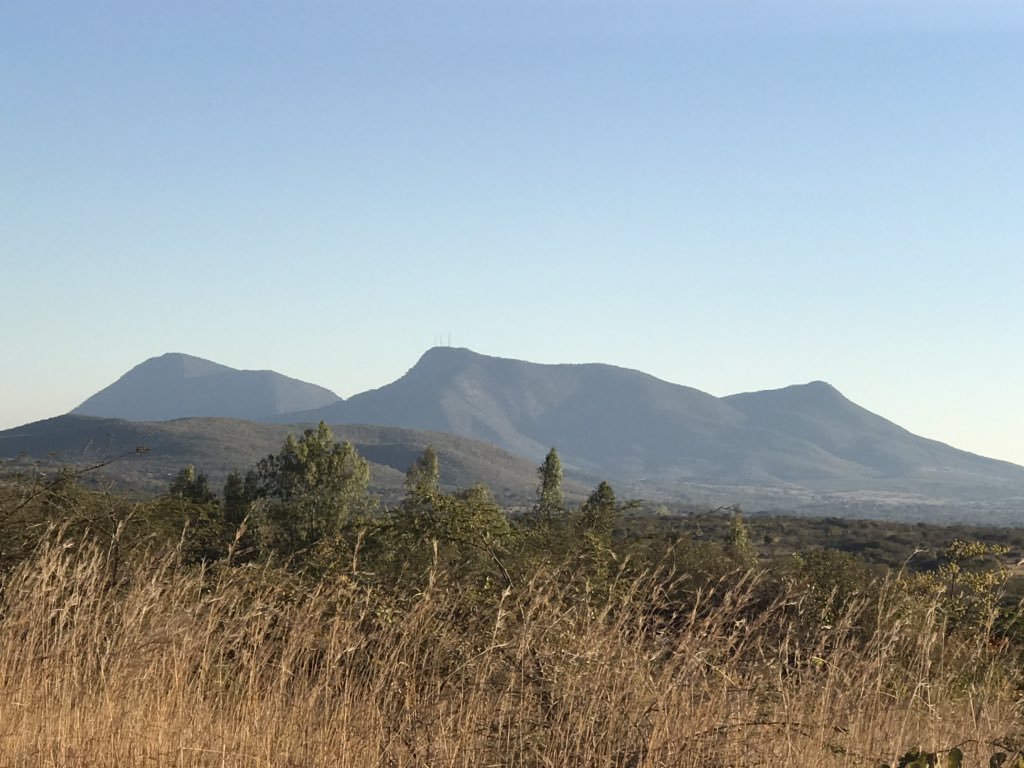
VaHera in Mutekedza area near Njanja were known to mine copper in the Wedza mountains.
7/ Fast forward, Chief Nyashanu had many children: Seke, Hwata, Marange, Gwenzi etc.
Seke Mutema ruled over the Seke Chitungwiza Mahusekwa area. Hwata ruled over Mazoe, Chishawasha region. Chiweshe ruled over all of Chiweshe, Nyabira & Marange ruled over parts of Manicaland etc.
8/ All these Nyashanu descendants carried their Mhofu totem, but as they drifted from Vuhera, would introduce their own Chidawo from the original Shava Museyamwa.
So we have Shava:
-Vhuramai
-Mutenhesanwa
-Mufakose
-Mwendamberi
-Mazarura
-Murehwa
-Mudavanhu
-Nyakuviruka, etc.
9/ Three of Ishe Nyashanu’s sons, Shayachimwe, Gutsa and Nyakudya, disgruntled by their father, left Buhera and moved north to the Seke area where their brother Seke Mutema was in charge.
North of Seke was Mbare, who was introduced to the 3 Mhofu brothers by Seke Mutema.
10/ The 3 Nyashanu brothers were very skilled miners and metal engineers who could process minerals from ore to iron age implements.
Because of these skills that Chief Mbare wanted, he asked the 3 brothers to settle in present day Harare and do metal-work.
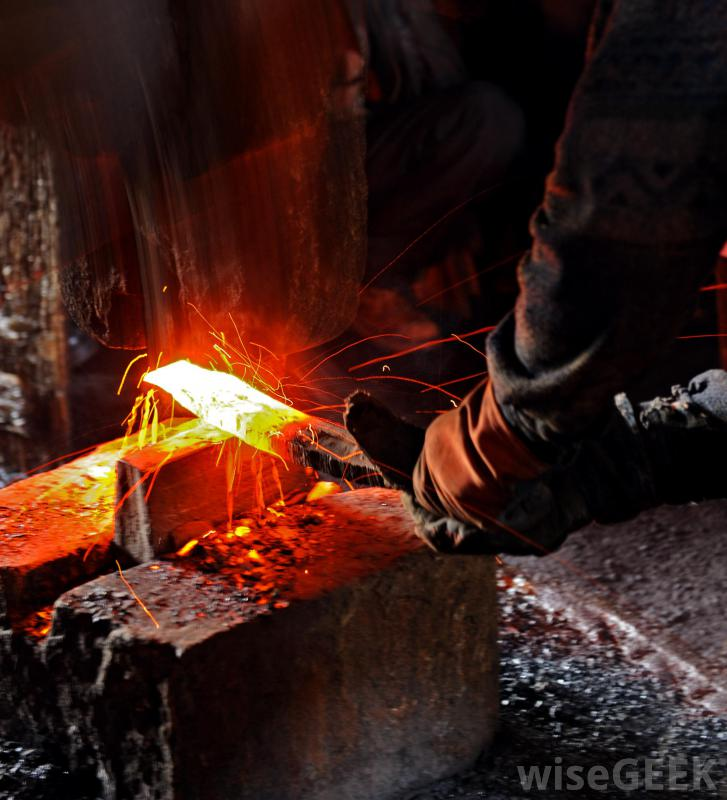
11/ Before Europeans came, mining and metal engineers in Zimbabwe were already mining mineral ores, and processing and forging them into jewellery and agricultural implements such as hoes and ploughs as well as weapons such as spears.
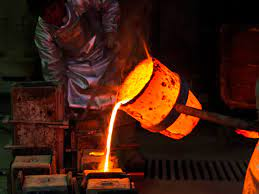
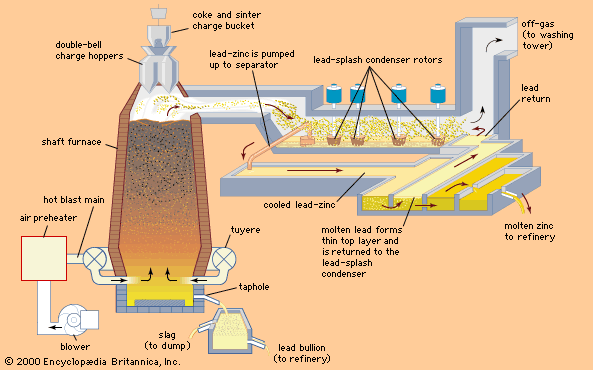
12/ Specifically, Gutsa and Shayachimwe were very skilled in working the iron ore forge (bellows) and furnaces for iron ore smelting – a basic early version of today’s iron ore blast furnace.
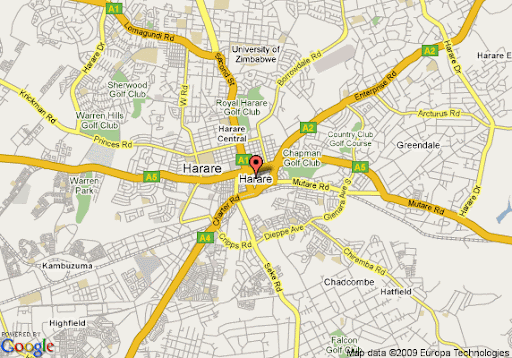
14/ Mbare occupied the area known today as the high density suburb of Mbare. It was then known as Matapi because of a type of mouse that was found along the Mukuvisi swamps.
Years later, as the area became Salisbury, Mbare was known as Harare.
15/ The Mhofu brothers Shayachimwe & Gutsa settled at Barapata Hills, and adopted a new praise name, transitioning from Shava Museyamwa to Shava Mufakose.
Their centre became what is known today as the suburb of Mufakose.
16/ Gutsa was a quarellsome troublemaker. Chief Mbare invited everyone to a nhimbe. It is said that Shayachimwe had instructed his brother not to go, but he went anyway. Some claim that Mbare killed Gutsa’s dog, and Gutsa declared war on Mbare leading to a major fight.
17/ The ensuing fight culminated in the Mhofu brothers taking over the area, resulting in two Mhofu Chieftainships: Hwata dynasty formed by Shayachimwe stretching across Harare to Glendale & Mazoe valley, and Chiweshe dynasty covering Mt Hampden Nyabira area.
18/ The Mhofu brothers pioneered a number of gold mines that were taken over by the British after Chimurenga 1 – Chishawasha and Mazoe gold mines.
Zimbabwe was first colonised by a company, BSAC. The first thing the colonial settlers did was to confiscate those gold mines.
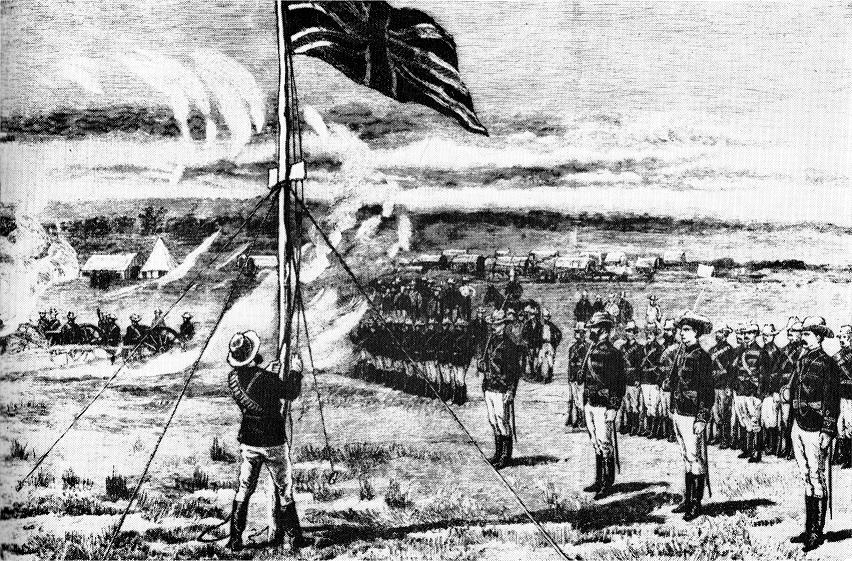
19/ Fast forward: Rhodes’s Pioneer Column comprising a bunch of British mercenaries arrived in Harare on 12 September 1890. They were under instructions to set up a fort at Mt Hampden, but decided to hoist their Union Jack at the Kopje, a hill Gutsa used to work from.